Islam and Isese in Yorubaland: More Complex Than It Seems —Bashir Lucas Samson Lukman
Have you ever wondered why many Isese adherents have Muslim names? When people hear Waidi, Sakiru, Fatai…
Have you ever wondered why many Isese adherents have Muslim names?
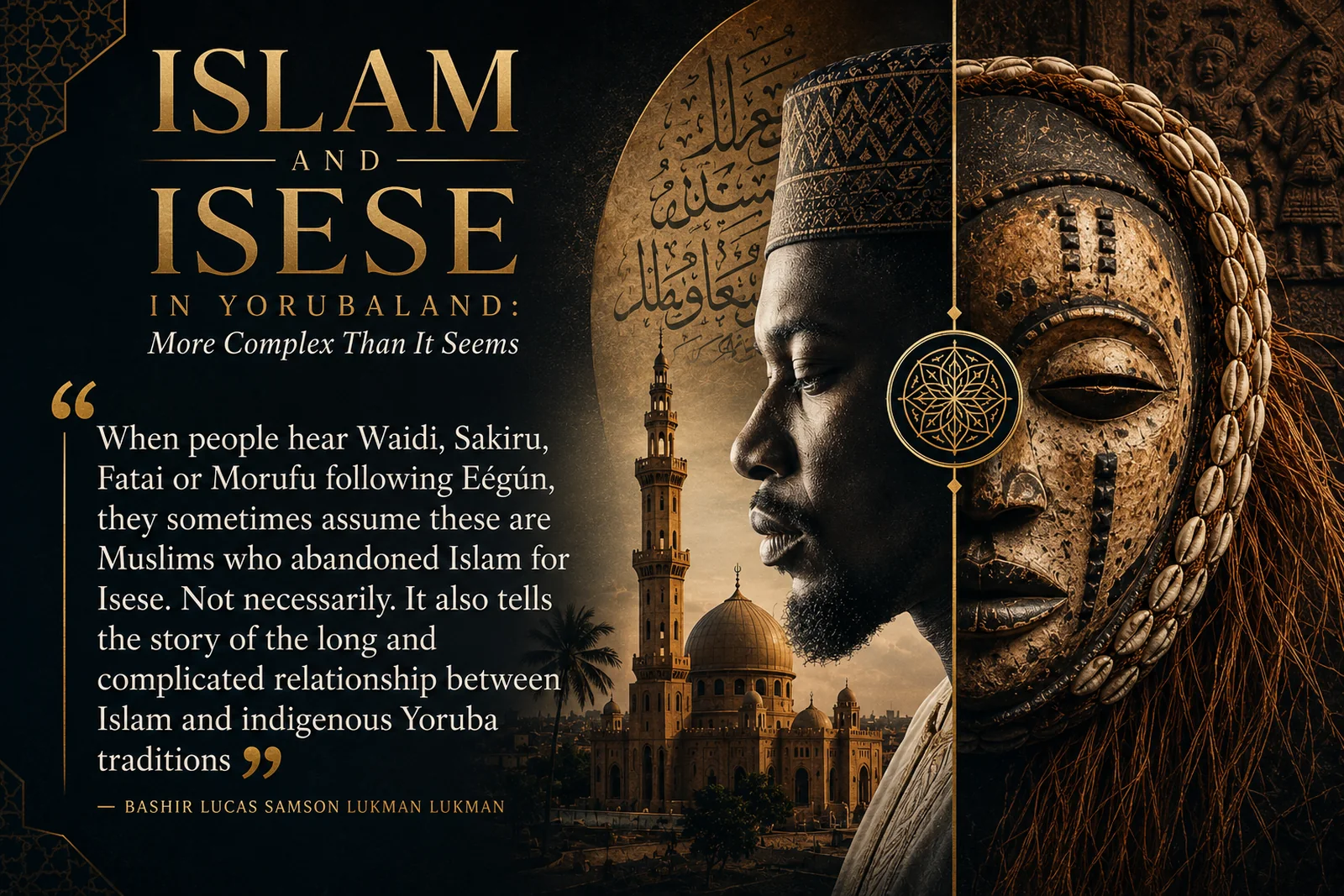
When people hear Waidi, Sakiru, Fatai or Morufu following Eégún, they sometimes assume these are Muslims who abandoned Islam for Isese. Not necessarily. It also tells the story of the long and complicated relationship between Islam and indigenous Yoruba traditions — a relationship sometimes celebrated today as religious tolerance.
Islam did not develop in Yorubaland in exactly the same way Christianity did. Over generations, Muslims lived within existing Yoruba family and social structures, and cultural boundaries were not always as rigid as we imagine them today. Polygyny, for example, was already familiar to Yoruba society, while Islam permitted it within its own restrictions. Concepts such as jinn were also sometimes incorporated into existing understandings of the spiritual world, contributing to forms of religious syncretism that orthodox Islamic scholars themselves would reject.
Christianity had a different historical relationship with indigenous religion. Missionary Christianity was closely associated with Western education and frequently condemned traditional religious practices as pagan or backward. Access to missionary education also brought social prestige, and over time Christian and Western identities could become associated with education and modernity, while Muslims and traditionalists were stereotyped as backward or uneducated.
Even names began to tell that story.
Saidi became Seedorf. Bashiru became Bash. Sikiru became SK. A recognisably Muslim or traditional name could carry assumptions about class, education and sophistication. At a certain point in our history, even bearing an English or Christian name could function as a kind of social prestige.
That history still affects how we understand religious tolerance today.
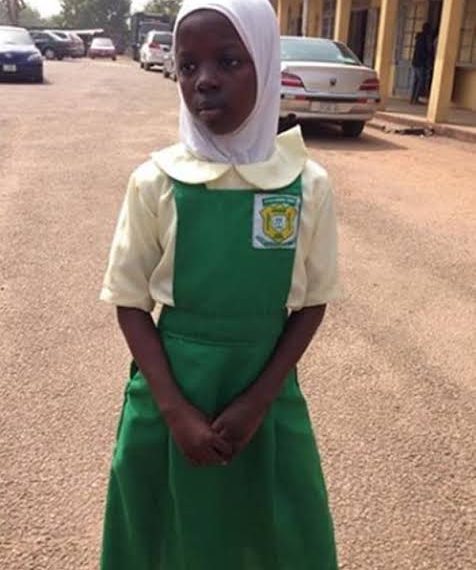
When Muslims raise concerns about practices they believe infringe upon their fundamental rights, it is sometimes interpreted simply as Muslim intolerance. Yet the relationship between Yoruba Muslims and traditional religion has historically been far more complicated than outright hostility.
And when the present arguments eventually die down, as they usually do, Sikiru may still follow Eégún, and Awobiyi may still fast with his Muslim neighbours during Ramadan.
Perhaps another interesting question is this: ask prominent Christian clerics like Oyedepo, Adeboye and Kumuyi what they think about Christian women being required to remain indoors because a masquerade is passing through their community. Their answers might reveal that the disagreement is not uniquely Muslim at all.
The difference may simply be in who is publicly having the argument.
Whatever our religious differences, tolerance cannot mean that one person’s freedom of religion requires another person to surrender their own freedom.
Bashir Lucas Samson Lukman