PRESS RELEASE: KnowIslam Project Responds to Donald Trump’s Claim of “Christian Genocide” in Nigeria
The President of the United States, Donald Trump, recently described Nigeria as “a country of particular concern,”…
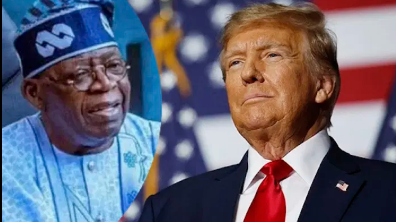
The President of the United States, Donald Trump, recently described Nigeria as “a country of particular concern,” claiming there is an ongoing Christian genocide and offering U.S. assistance to combat terrorism in the country. While insecurity remains one of Nigeria’s gravest challenges, the KnowIslam Project strongly rejects this divisive and misleading characterization.
Insecurity in Nigeria: A National, Not Religious, Tragedy
There is no denying that Nigeria is engulfed in insecurity. From Boko Haram attacks in the North-East to banditry and kidnapping in the North-West and Middle Belt, and communal crises across several regions, Nigerians are living in fear. However, these attacks have never been limited to Christians alone. Muslims, traditionalists, and people of various ethnic and religious backgrounds are equally victims of this chaos.
Thousands of Muslims have been displaced, abducted, and massacred by the same insurgents that Trump’s statement implies are solely targeting Christians. In Borno, Zamfara, Katsina, Kebbi, and Sokoto — states with overwhelmingly Muslim populations — entire communities have been wiped out, mosques burnt, and Islamic clerics killed. These are facts well-documented by both local and international human rights organizations.
By framing Nigeria’s insecurity as a Christian genocide, Trump and similar Western actors dangerously oversimplify a multifaceted crisis rooted in corruption, inequality, poor governance, and the collapse of law enforcement institutions — not religious persecution.
The Dangerous Narrative of Western Religious Bias
The KnowIslam Project notes with concern the recurring pattern where Western leaders, politicians, and media platforms highlight the deaths of Christians in conflict zones but ignore or downplay the deaths of Muslims under similar or worse conditions. This selective empathy fuels division within Nigeria and creates resentment among its multi-religious population.
Nigeria’s conflicts are primarily socio-political — driven by poverty, injustice, and ethnic competition — yet they are constantly rebranded through a Christian-persecution narrative that aligns with Western political and evangelical agendas.
The U.S. “Help” That Destroyed Nations
Trump’s offer to “help combat terrorism” in Nigeria should be viewed within the context of America’s global record. The world remembers how similar “humanitarian” or “anti-terror” interventions turned thriving nations into failed states:
-
Iraq (2003): Under the pretext of eliminating weapons of mass destruction, the U.S. invaded Iraq, toppled its government, killed hundreds of thousands, and left the nation in perpetual instability.
-
Libya (2011): America and NATO forces claimed to be saving Libyans from dictatorship. Today, Libya is a broken state with open slave markets and endless militia wars.
-
Syria (2014–present): The U.S. funded and armed rebel factions that plunged Syria into one of the worst humanitarian crises of the century.
-
Afghanistan (2001–2021): After two decades of war, trillions of dollars wasted, and countless civilian deaths, the Taliban returned to power — the same group America claimed to be fighting.
If these are examples of what U.S. “help” achieves, then Nigeria must beware. Their interventions are rarely about saving lives or fighting terrorism; they are about controlling narratives, resources, and influence.
Nigeria Must Guard Its Sovereignty
The KnowIslam Project cautions that allowing any foreign power — especially one driven by religious sentiment to define our national crises is a threat to Nigeria’s sovereignty and peace. If America truly cares about human life, it should start by condemning all killings in Nigeria, not selectively championing one group for political or evangelical gain.
True peace and progress in Nigeria will only come from within — through justice, equitable governance, moral reformation, and collaboration among citizens of all faiths.
A Call for Balance and Responsibility
We urge the Nigerian government, religious leaders, and the media to reject any narrative that portrays one faith as victim and another as villain. The KnowIslam Project stands firmly against all forms of violence and injustice, regardless of who suffers or perpetrates them.
Let it be known:
-
The blood of Muslims, Christians, and all Nigerians is equally sacred.
-
Nigeria’s insecurity is a national, not religious, problem.
-
U.S. involvement under Trump’s framing poses a threat to national unity and sovereignty.
The KnowIslam Project calls on Nigerians to stay united, informed, and resistant to external manipulations that seek to divide us in the name of religion.
Bashir Lucas Samson Lukman for KnowIslam Project