Asking Ar-Rahman Series Day 5: The Etiquettes Of Duʿā — Dr. Abioye Ibraheem
The Prophet taught us extensively about du’a. Maybe because, as he is recorded to have said, “Du’a…
The Prophet taught us extensively about du’a. Maybe because, as he is recorded to have said, “Du’a is worship.” (Tirmidhi 2969)
As with all forms of worship, Duʿā’ is not only about the content or what you ask. It is also about how you ask.
Allaah says in Surah Al-A’raf:
“Call upon your Lord in humility and privately…”
— Qur’an 7:55
This verse teaches posture before content.
Du’a is to turn one’s heart towards Allaah. Or, to manifest one’s neediness towards Allaah.
Begin with Praise
When a man made duʿā’ without praising Allaah or sending blessings upon the Prophet ﷺ, the Prophet ﷺ said:
This man has been hasty.”
Then he said:
“When one of you supplicates, let him begin by praising his Lord and glorifying Him, then send blessings upon the Prophet, then ask for whatever he wishes.”
— Sunan Abi Dawud 1481
Praise centers the heart.
It reminds you of whom you are speaking to.
Before asking for relief, remember the One who controls relief.
Praise entails:
Mentioning Allaah’s names and attributes: “Oh Allaah, you are ar-Rahman”.
Acknowledging His attributes: “ Oh Allaah, you are the Lord with dominion over the Heaven”
Recognizing His actions. “Glory be to You, Oh Lord, it is you who protected the Prophet from His enemies at Ahzab”
Declaring His perfection.
You could also use any one of the exact words of praise that the Propher taught us.
For instance, the Prophet ﷺ said:
“There are two statements that are light on the tongue, heavy on the scale, beloved to Ar-Rahman:
SubḥānAllāhi wa bi-ḥamdih,
SubḥānAllāhi al-ʿAẓīm.”
When you say “SubhanAllaah”, you are declaring Allah’s freedom from imperfection.
Praise elevates your Dua before you even ask.
Raise Your Hands
The Prophet ﷺ would raise his hands in supplication, palms facing upward.
In regular duʿā’, this was at about chest level. In extraordinary circumstances, such as the prayer for rain, he raised them higher (Bukhari 1031; Muslim 895). The gesture is not about exact height, but about humility. The raised hands signal need.
He said:
“Indeed, Allaah is Shy and Generous. When His servant raises his hands to Him, He is shy to return them empty.”
— Sunan Abi Dawud 1488 / Jami` at-Tirmidhi 3556
Raised hands signal need.
They are posture of someone who knows they cannot fill their own emptiness.
Ask with Presence and Certainty
The Prophet ﷺ said:
“Call upon Allaah while you are certain of response…”
— Sunan al-Tirmidhi 2516
And he warned against haste:
“The supplication of a servant will be answered so long as he is not hasty…”
— Sahih al-Bukhari 6340
When you go to Allaah in prayer, you are placing your trust in Him. It is not a transaction where you demand speed. It is trust.
When you speak to Allaah, be present.
Not distracted,Not rushing,Not testing.
Call to Allaah in humility
Allaah says:
“Call upon your Lord in humility and privately…”
— Qur’an 7:55
And:
“And remember your Lord within yourself in humility and fear, without loudness in speech…”
— Qur’an 7:205
Allaah encourages us to pray privately, but more importantly, Allah wants us to pray with humility. With presence. Imagine yourself in the presence of the Lord of the World. One who created you,sustains you and also loves you greatly. Your du’a should reflect the humility of standing before the Lord of the Worlds, but also the hope in Allah’s mercy and love.
Persist
The Prophet ﷺ would repeat his duʿā’ three times.
Persistence reflects need. And Allaah loves the one who keeps returning.
A door you knocked on once may not open.
But the door of Ar-Rahman does not tire of your knocking.
A Simple Structure You Can Follow
If you feel unsure how to begin, follow this illustrative pattern:
Praise Allaah (al-Ḥamdu lillāh…)
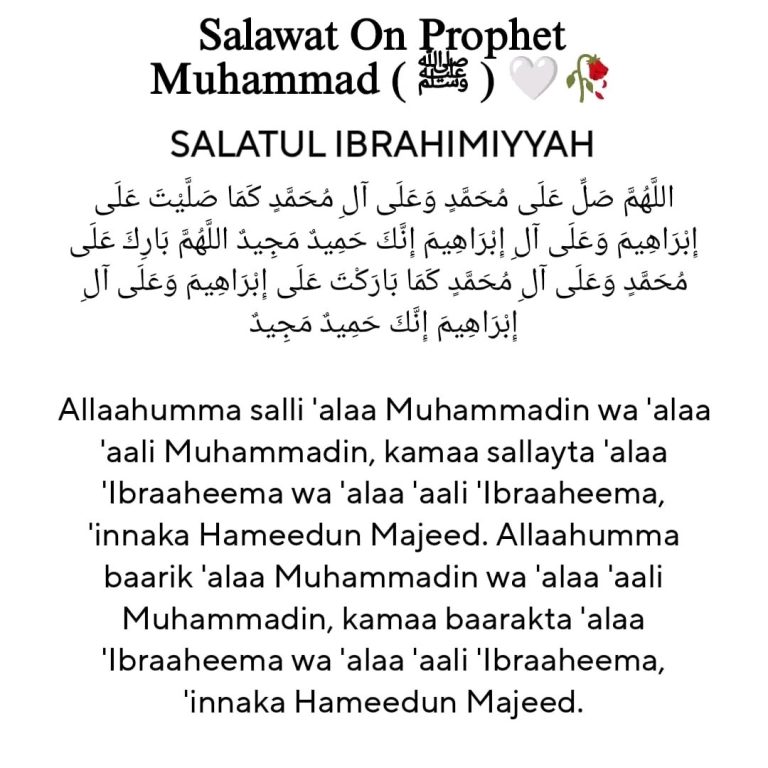
Send ṣalawāt upon the Prophet ﷺ
Admit your weakness and need
Ask clearly and specifically
End with hope and trust
Ramadan Application
In Ramadan, duʿā’ becomes frequent.
After Salah.
Before ifṭār.
In taraweeh.
In sujud
In the quiet of the night.
Do not rush it.
Say less. Mean more.
You are not speaking into the air.
You are speaking to Ar-Rahman.
And etiquette is part of love.
When you love someone, you approach them with care.
Approach your Lord with care.